The Piltdown Man was "found" by an archaeologist named Charles Dawson, in Pilton, East Sussex (England). After studying this specimen, scientists originally thought that through human evolution, we acquired a larger brain before being able to stand more upright (as modern humans do today). Although it was eventually proven to be a hoax by the scientific community, it could also be thought of as beneficial, since a farce as large as this one hadn't occurred prior, leading the community to be more skeptical about new scientific information in the future.
The Piltdown man was declared a hoax, due to evidence gathered by Wilfrid Le Gros Clark, Joseph Weiner, and Kenneth Oakley. It was discovered that the skull of the Piltdown man was composed of parts from three different species. More specifically, a medieval human skull, the lower jaw of an orangutan, and the teeth of a chimpanzee. This was a shock to the scientific community, as one would not anticipate a forgery on this scale, due to scientific discoveries being based on hard evidence that would otherwise not be challenged to do it's validity.
The human faults at play here, include the fact that the skull had not been more closely examined by the scientific community when the Piltdown man was first discovered. Since scientific findings had never really been fabricated before, the idea of a man-modified skull had not been taken into account. Because of this, they had been led to believe that the Piltdown man was a legitimate ancestor of modern primates.
The Piltdown man was eventually proven to be a hoax due to a number of processes. One being, that when (Clark, Weiner, Oakley) the teeth of the skull had been viewed under a magnifier, the teeth appeared to be scratched by some sort of file that had grounded down the teeth. The next important process was the fluorine test, which showed that the jaw and teeth were not the same age as the skull was, and weren't even considered fossils, but rather just worn out bones. Finally, upon closer inspection, different parts of the skull had been chemically stained or even painted to look similar to each other, further suggesting that the skull was not a legitimate source of evidence for human evolution.
It is possible to remove this human factor from science, as now scientists will just need to be more thorough in examining proposed data for a new theory, discovery, etc. However, I would not want to completely remove the factor of human error from science, as it is errors that help us determine a better way to carry out tests, as an error-free test may yield usable results, but they may not be as efficient compared to (what could have been) a test that has adapted to previous error.
I think we can all take from this fascinating story of genetic history, that you should always be skeptical of scientific proposals. If we always gave free passes to those that had new theories with evidence that appears to be accurate, but without actually verifying it, the world we live in today could be interpreted in a completely wrong way, factually speaking.
Tuesday, September 20, 2016

Thursday, September 8, 2016
Analogy & Homology
Homology
Humans and dogs are quite different in structure. However the arms of a human and the legs of a dog are homologous structures, despite looking different from each other.
The human arm includes the wrist and hands at the end of it. The joints in the arm allow for flexible movement and can easily grab/interact with objects by utilizing these traits. The legs of a dog also have joints, but are not utilized in a way that can directly handle objects. Instead, the paws allow for easy traction on surfaces and the force of the legs helps the dog achieve fast running speed. The common ancestor of these two species is the earlier species of placental mammals that were able to traverse rougher terrain with their arms/legs.
Human:

Dog:

Human:

Dog:

Analogy
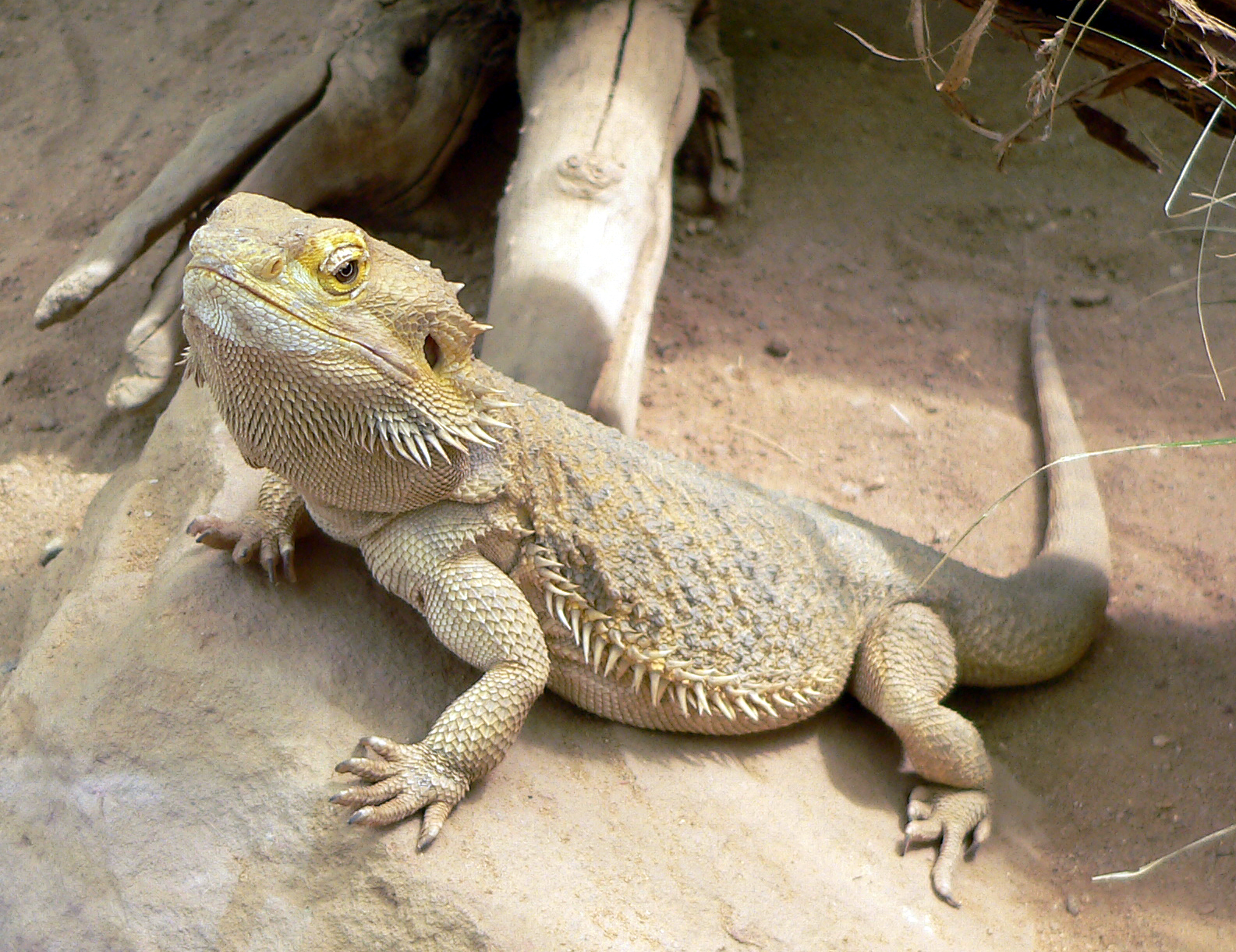
Whales and Lizards both possess limbs. Whales are mammals that live in the ocean, and Lizards are reptiles that live on the surface.
Although both species have limbs, they are used for different purposes. The limbs of whales come in the form of flippers, which are used to swim in the water (movement). The limbs of lizards, on the other hand, come in the form of arms and legs with claws, which allow them to climb vertical surfaces hold onto different surfaces easily (also for movement). These traits are not used to achieve the same goals when viewed strictly on land, or in water, but they are both used primarily for movement within each species' respective environments.
A common ancestor would definitely have had this analogous trait of limbs. Even if this ancestor originated in a completely different environment than our lizards and whales, they could have possessed their own form of limbs, as it could help with movement in its own respective environment.
Whale:

Lizard:
Whale:
Lizard:
Thursday, September 1, 2016
Subscribe to:
Posts (Atom)