Homology
Humans and dogs are quite different in structure. However the arms of a human and the legs of a dog are homologous structures, despite looking different from each other.
The human arm includes the wrist and hands at the end of it. The joints in the arm allow for flexible movement and can easily grab/interact with objects by utilizing these traits. The legs of a dog also have joints, but are not utilized in a way that can directly handle objects. Instead, the paws allow for easy traction on surfaces and the force of the legs helps the dog achieve fast running speed. The common ancestor of these two species is the earlier species of placental mammals that were able to traverse rougher terrain with their arms/legs.
Human:

Dog:

Human:

Dog:

Analogy
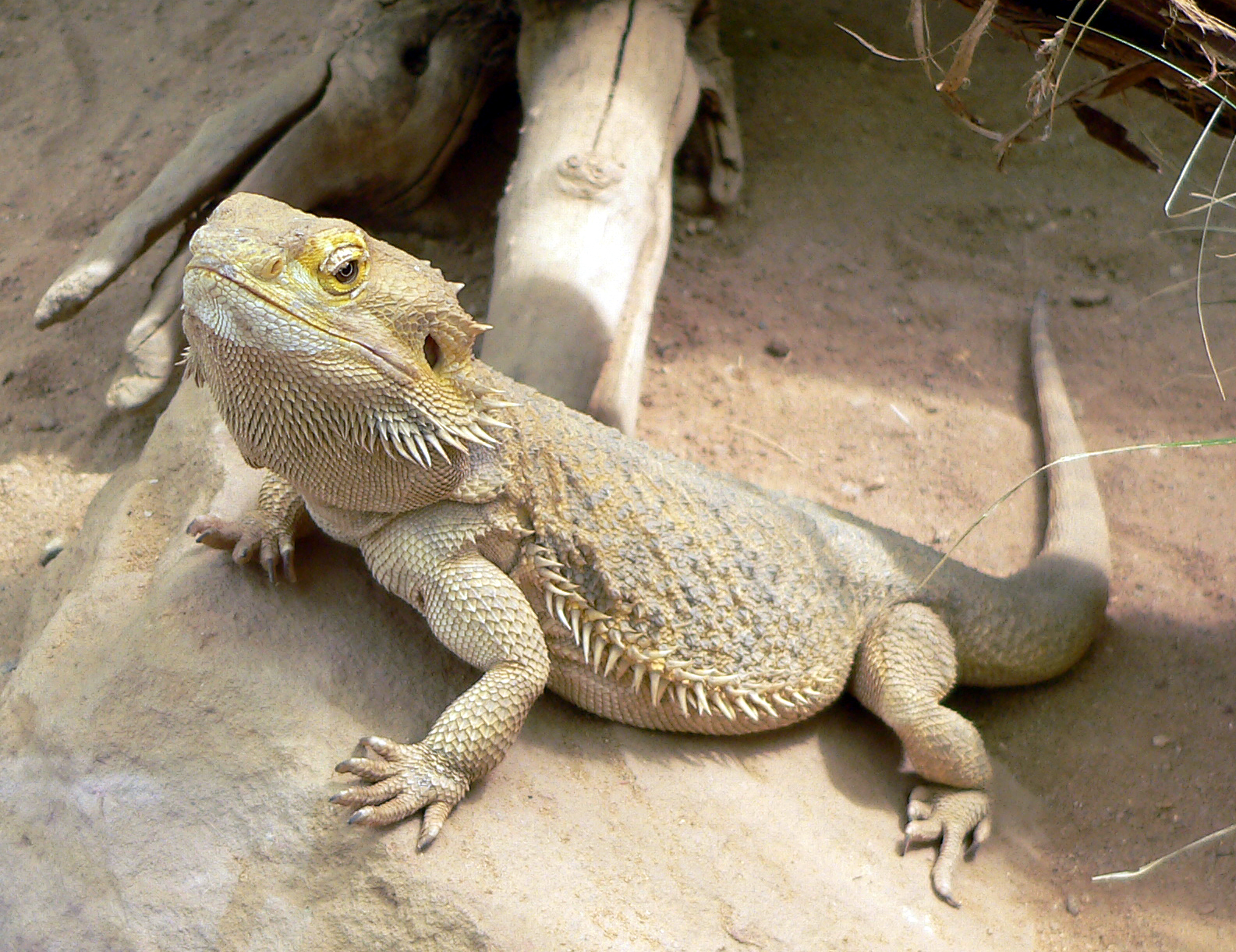
Whales and Lizards both possess limbs. Whales are mammals that live in the ocean, and Lizards are reptiles that live on the surface.
Although both species have limbs, they are used for different purposes. The limbs of whales come in the form of flippers, which are used to swim in the water (movement). The limbs of lizards, on the other hand, come in the form of arms and legs with claws, which allow them to climb vertical surfaces hold onto different surfaces easily (also for movement). These traits are not used to achieve the same goals when viewed strictly on land, or in water, but they are both used primarily for movement within each species' respective environments.
A common ancestor would definitely have had this analogous trait of limbs. Even if this ancestor originated in a completely different environment than our lizards and whales, they could have possessed their own form of limbs, as it could help with movement in its own respective environment.
Whale:

Lizard:
Whale:
Lizard:

Your images aren't visible. There are instructions on the Help page on the course blog that will give you guidance on this. You need to save images to your computer (just right-click on images and select "save") and then use the upload images function in blogger.
ReplyDeleteA little short on descriptions of your homologous species.
Your homologous trait is valid, but a key piece of information regarding these traits is that they share the same bone structure (along with the joints). You can draw direct parallels between the humerus, ulna and radius on both species, and this is evidence of their common ancestry.
With regard to your ancestry section, the fact that both organism get over rough terrain is not in itself evidence of common ancestry. A snake manages this as well without limbs. Both of these organisms are mammals, and we know from the fossil record that archaic mammals possessed that ancestral limb structure (humerus, ulna, radius) and passed it on to these two descendants. That is what we needed to know to confirm ancestry.
For your analogous trait, remember what "analogous" actually entails. The trait needs to arise through independent parallel evolution, NOT from common descent, and the traits need to have evolved in response to similar selection pressures, producing similar traits. What you are actually describing here are distinctly different traits, arising from different environmental pressures. Moreover, these organisms share a common ancestor, an archaic reptile, that also possessed the limb structure you are highlighting. So what you are actually describing here is a homologous pairing, two traits arising from common descent from a shared ancestor but with evolved differences due to different environment.
If you have questions on this, please email me.
hi i was really surprised of the whale and the lizard because they are so different, nobody will imagine that they can have something like (until you take this class)that was very cool. When I was doing my research I found that horses have it to, and i thought it was awesome!
ReplyDelete