- In colder temperatures, the homeostasis of the human body is disturbed because the blood vessels in your body can constrict. This is a problem as it is now more difficult for oxygen-rich blood to flow to important parts of the body.
- Adaptations
- Short term: Shivering is the response your body has when you feel cold. Shivering is when your muscles tighten and loosen at an increased rate. This is so your muscles can generate heat on their own.

- Facultative: Vasoconstriction makes the blood vessels smaller in order to preserve heat on our skin.

- Developmental: Eating fattier foods which results in having a more rounder body shape, which can help insulate heat.

- Cultural: Clothing is a man-made way of staying warm, for it involves physically using tools to create a means of staying warm.
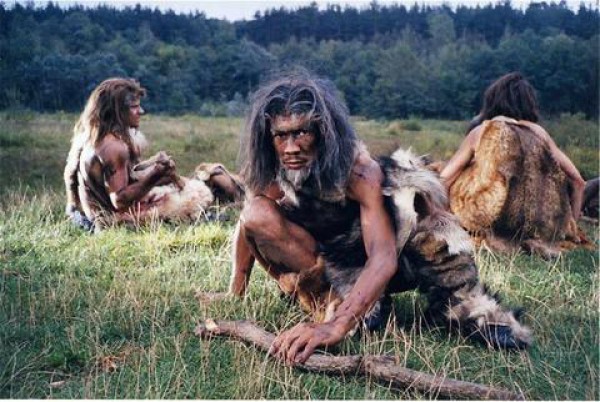
Information from these explorations helps to show us the different ways we can survive, even when in life threatening environments. We can utilize this to try and find more efficient ways to survive in the cold. For example, clothing manufacturers could seek to create newer jackets that are specially designed to completely insulate heat on the human body in colder temperatures.
Although we are all human, different races may naturally possess different traits compared to their other counterparts, which could help them survive in certain climates better. However, studying the overall tools that humans naturally use to adapt to their environment, rather than seeing how each race adapts, helps us understand how the human species as a whole can adapt to different situations.

Constriction is actually an adaptation. It isn't the problem caused by cold stress itself. In cold environments, the body's core temperature can drop below the optimum 98.6 degrees. Why is this a problem? What happens to the body when that core temperature drops?
ReplyDeleteGood explanation on your short term and facultative traits.
Body shape is a developmental adaptation, but the shape is determined genetically, for the most part, not just by diet. If it were just diet, with shapes changing depending upon what a person consumed, it wouldn't be developmental, which requires a genetic change over many generations, not change in one person in their lifetime. How does Bergmann and Allen's rules apply here?
Good cultural adaptation.
Very good explanation of how this knowledge can be used in an applied way.
Your conclusion in the final section is correct, but let's clarify the reasoning. To answer this question, you first need to explore what race actually is. Race is not based in biology but a social construct, based in beliefs and preconceptions, and used only to categorize humans into groups based upon external physical features, much like organizing a box of crayons by color. Race does not *cause* adaptations like environmental stress do, and without that causal relationship, you can't use race to explain adaptations. Race has no explanatory value over human variation.
I agree with your cultural adaption. The ability to use tools to stay warm is incredible. Most species don't have the ability to adapt to extreme climates. I have a Chameleon and he needs to stay between 85-95 degrees throughout the day. If i were to bring him to Alaska and keep him outside in the winter he would be dead within minutes. But if he could build himself a little hut and a fire to stay warm and make throw on a jacket i'm sure his chances of survival would grow exponentially! It's amazing what humans could accomplish when using our minds.
ReplyDeleteGood job on your post you did a good job explaining,something I honestly never heard of is that if you have a rounder belly and eat fattier foods.It helps insulin heat I found that so mind blowing I never really thought of it. Something else that I found interesting is that when we shiver our muscle tight and loosen I never knew that it cool how our bodies work.
ReplyDelete